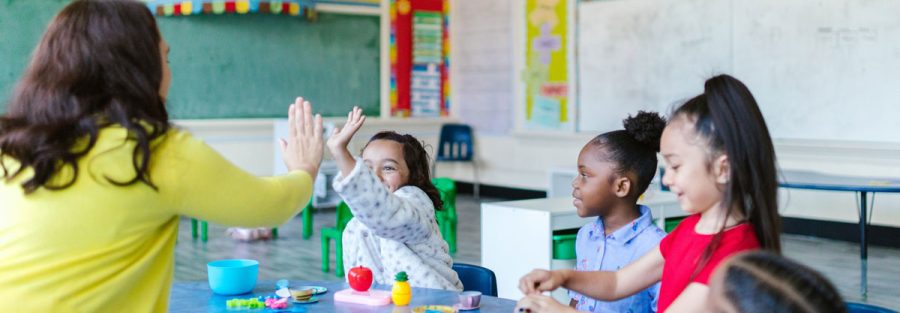
Early childhood education is a crucial aspect of a child’s development. It refers to the formal or informal education that children receive before they enter primary school. This period of a child’s life is critical as it sets the foundation for their future academic, social, and emotional development.
Early childhood education is not just about teaching children to read and write, but it is also about creating an environment that fosters their physical, social, and emotional well-being. It is essential to provide children with the tools they need to develop their cognitive, language, motor, and social skills.
Research has shown that early childhood education has significant long-term benefits. Children who receive quality early education are more likely to do well in school, have better social skills, and are more likely to graduate from high school and go on to higher education. They also have better job opportunities and earn higher salaries.
Early childhood education can take many forms. It can be provided through play-based learning, a structured curriculum, or a combination of both. Play-based learning is essential for young children as it allows them to explore their environment, learn through trial and error, and develop their problem-solving skills. A structured curriculum, on the other hand, provides children with a more formal education, including literacy, numeracy, and social skills.
One of the essential aspects of early childhood education is parental involvement. Parents play a crucial role in their child’s early education. They can read to their children, engage in meaningful conversations, and provide them with opportunities for play and exploration. Parents can also be involved in their child’s education by volunteering at school, attending parent-teacher conferences, and participating in school events.
Early childhood education should be accessible to all children, regardless of their socio-economic status. Unfortunately, not all children have access to quality early education. This is especially true for children from low-income families who may not have the financial resources to pay for private preschool programs.
Governments and communities must invest in early childhood education programs to ensure that all children have access to quality education. Research has shown that every dollar invested in early childhood education has a significant return on investment.
In conclusion, early childhood education is essential for a child’s development. It provides children with the foundation they need to succeed academically, socially, and emotionally. It is crucial to invest in quality early education programs to ensure that all children have access to the tools they need to reach their full potential.